
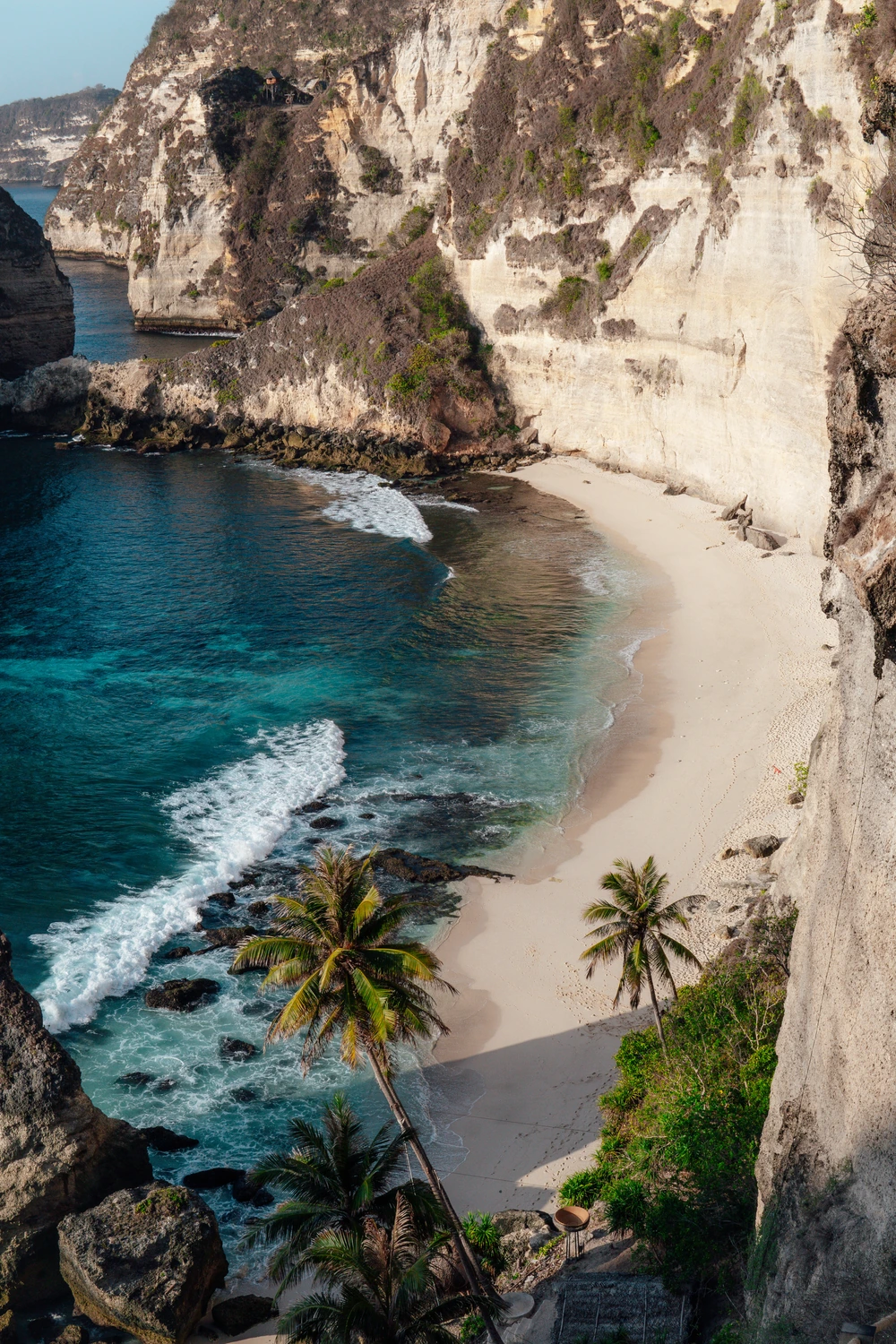
Nusa Penida is an island just 45 minutes by fast boat from Bali that looks like it belongs on another planet. Towering limestone cliffs plunge straight into turquoise sea. White-sand beaches sit hidden hundreds of meters below dramatic viewpoints. Reef Manta Rays glide through crystal-clear water at snorkeling spots so rich in marine life, they feel unreal. It is no longer a hidden gem — but it is absolutely worth visiting, and this guide gives you everything you need to plan your trip properly.
In This Guide
How to Get from Bali to Nusa Penida
The only way to reach Nusa Penida is by fast boat. There is no airport and no ferry from the Bali mainland. Most visitors depart from Sanur Harbour, the most organised and convenient departure point, with over 60 boats operating daily. The crossing takes approximately 30–45 minutes depending on sea conditions.
Departure Harbours
- Sanur Harbour — The main gateway. Modern facilities, most boat operators, departures every 30–60 minutes from 06:30 to 17:00. Boats dock at the Sanur Golden Triangle Harbour. One-way tickets cost approximately Rp 150,000–200,000 ($9–$13 USD).
- Kusamba — Quieter departure point east of Sanur, ideal for those staying in Sanur, Ubud, or East Bali. Shorter crossing of 20–30 minutes, slightly cheaper tickets. Fewer daily departures.
- Padang Bai — The slowest option (40–60 min crossing). Good for travellers already in East Bali. Public ferry is available but very slow and unreliable — only use for motorbikes and cargo.
Arrival Ports on Nusa Penida
Most fast boats from Sanur dock at Banjar Nyuh Port or Toyapakeh on the northwest coast. Boats from Kusamba typically dock at Sampalan Port (the main town) or Toyapakeh. Always confirm with your boat operator before departure. On arrival, you will pay a local tourist levy of Rp 25,000 for adults and Rp 15,000 for children — have small cash ready.
All Bali Real Vacation Nusa Penida tour packages include return fast boat transfers from Sanur, private A/C transport on both sides, and a local English-speaking guide — so you never have to worry about logistics.
Private Nusa Penida Day Trips
Fast boat, local guide, and private transport — all handled by us.
West Coast Tour East Coast Tour Snorkeling TourGetting Around Nusa Penida
Nusa Penida has no public transport. Getting around independently requires either renting a scooter or hiring a private driver. The roads have improved significantly in recent years but remain steep, narrow, and occasionally unpaved in less-visited areas.
Private Driver (Recommended for First-Timers)
Hiring a private car and driver is the most comfortable and practical option, especially for first-time visitors. A driver will take you from spot to spot, know where to park, assist with steep staircases, and advise on tide conditions at places like Angel's Billabong. Rates are approximately Rp 400,000–600,000 per car per day (up to 4 passengers). This is what all Bali Real Vacation tours include — a dedicated local guide who knows the island intimately.
Scooter Rental
Scooter rental costs around Rp 75,000–100,000 per day. This is a good option for experienced riders who are comfortable with steep hills, sharp bends, and occasional loose gravel. Do not attempt Nusa Penida roads on a scooter if you are a beginner — several accidents happen each week involving tourists on unfamiliar terrain. An international driving licence is technically required in Indonesia.
Download Offline Maps
Mobile data can be patchy across the island. Download Google Maps or Maps.me offline for Nusa Penida before you leave Bali. This is especially important on the East Coast, where some roads are not well signposted.
Best Time to Visit Nusa Penida
Nusa Penida can be visited year-round, but the experience varies considerably by season.
Dry Season: May to October (Best)
This is the peak tourist season and the best time for most activities. Seas are calm, making the fast boat crossing smooth and snorkeling conditions excellent. Visibility underwater reaches 15–25 metres at the best sites. Roads are accessible and dry. The risk of rain is low. July and August are the busiest months — popular viewpoints like Kelingking are crowded by 09:30 AM, so depart on the earliest boat possible.
Shoulder Months: April and November
Excellent compromise. Fewer tourists than peak season, reasonable sea conditions, and lush green landscapes. Prices at local accommodation and restaurants tend to be more negotiable. Manta Ray sightings remain reliable through November.
Wet Season: November to March (Lower Season)
The wet season brings short but heavy rain showers (usually 1–2 hours in the afternoon), rougher sea crossings, and occasionally impassable muddy roads to less-visited beaches. On the positive side: dramatically fewer tourists, lower prices, and the island's vegetation is at its most stunning. Snorkeling is still possible, though visibility can be reduced after heavy rain. Manta Ray sightings are less predictable from January to March.
West Coast Attractions
The western side of Nusa Penida is the most famous part of the island and houses the three most photographed spots in Indonesia. All are within a 30-minute drive of each other.
Kelingking Beach (T-Rex Cliff)
The most iconic image in all of Bali. The limestone cliff formation resembles a T-Rex dinosaur when viewed from the main viewpoint, with a crescent of brilliant white sand and turquoise water far below. The viewpoint itself is free and offers spectacular panoramic shots. The optional hike down to the beach is approximately 45 minutes each way on very steep, rocky steps — recommended only for fit travellers wearing proper shoes. The descent is exposed to full sun and can be treacherous when wet. Many visitors are satisfied with the view from the top, which is genuinely outstanding.
Entrance fee: Rp 10,000. Best time: 07:00–09:00 before crowds arrive.
Broken Beach (Pasih Uug)
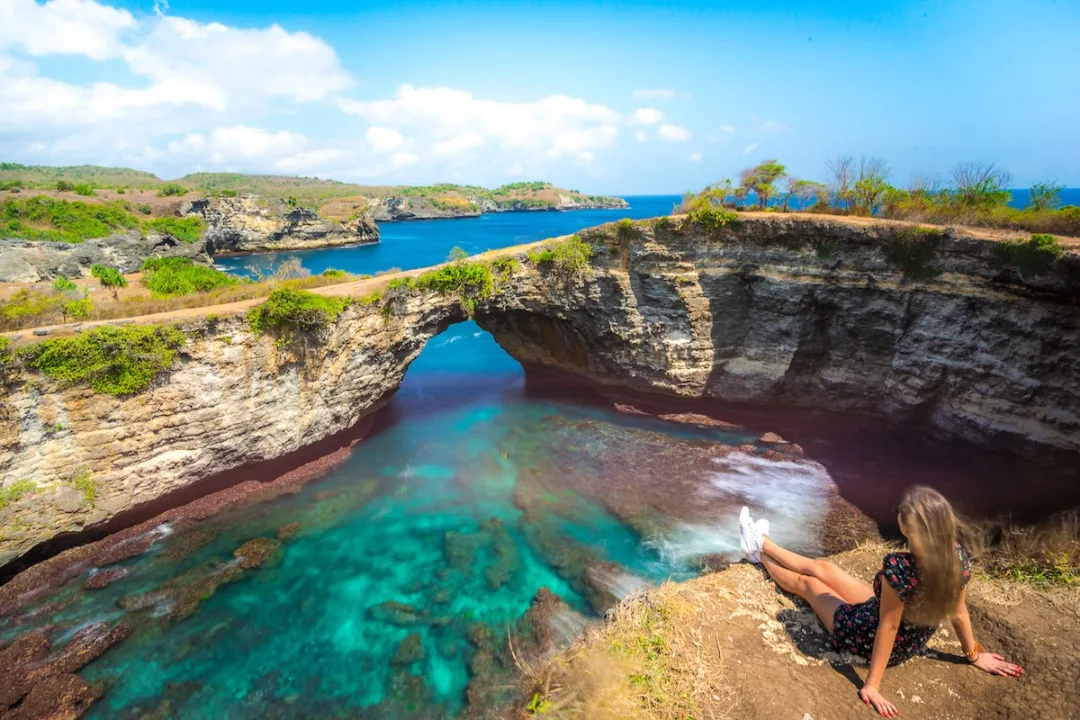
A spectacular natural rock archway frames a circular cove of deep turquoise water. The arch was formed over millennia by wave erosion and creates one of the most photogenic natural formations in Southeast Asia. You cannot swim in the cove (the only entrance is through a narrow sea tunnel), but the walkway around the rim offers superb views in every direction. Go at low tide for the most dramatic water colour.
Entrance fee: Rp 15,000. Located 5 minutes' drive from Kelingking.
Angel's Billabong
A naturally formed infinity pool carved into the volcanic rock at the ocean's edge. At low tide, the pool fills with remarkably clear water and creates a stunning foreground against the open sea. Swimming was popular here but is now discouraged by authorities due to rogue waves that have caused fatalities. Never approach the ocean-facing edge of the rocks, especially during high tide or when waves are active. The photography from a safe distance remains extraordinary.
Entrance fee: Rp 15,000. Always check tide conditions before visiting — visit only at low tide.
Crystal Bay
The most swimmable beach on the West Coast. Crystal Bay has calm, clear water, soft sand, and a gentle slope making it ideal for families. It is the main snorkeling departure point for Manta Bay and is one of the island's most reliable spots for spotting sea turtles from the shore. Local warungs on the beach serve cold drinks and fresh seafood.
Entrance fee: Rp 15,000. Best snorkeling: early morning before boat traffic.
East Coast Attractions
The East Coast is less visited than the West and offers more dramatic, secluded scenery. It is a longer drive from the main port but rewards visitors with genuinely outstanding landscapes and far smaller crowds.
Diamond Beach
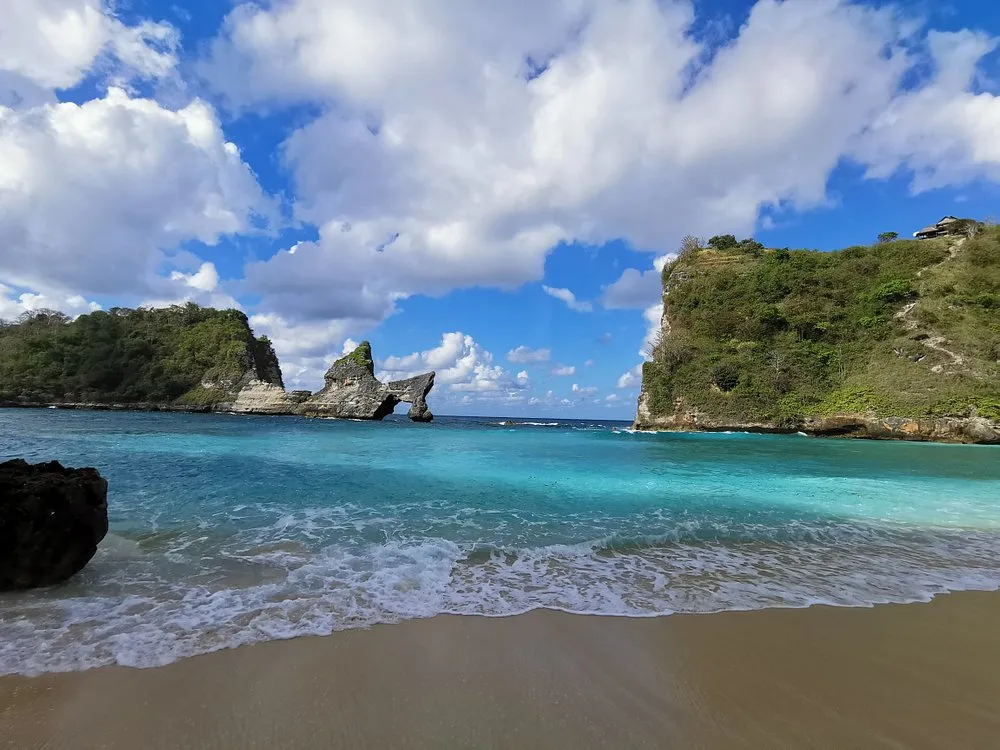
Named after the diamond-shaped karst rock formations rising from turquoise shallows. The beach is accessible via a steep staircase (around 300 steps each way) and is well worth the descent. At the bottom, brilliant white sand, impossibly blue water, and towering rock spires create a scene that looks entirely computer-generated. Arrive very early — it fills up quickly as it is one of the most shared images in Indonesia travel photography. The staircase is one-way at peak times, with separate up and down lanes to manage traffic.
Entrance fee: Rp 25,000. Bring water — there are no vendors at the base.
Atuh Beach
A quieter, equally beautiful beach neighbouring Diamond Beach. White sand, calm water, and a selection of unique rock formations make it a strong alternative if Diamond Beach is crowded. The descent is similarly steep but the beach has a slightly more relaxed atmosphere. Some accommodation options exist near Atuh for those wishing to stay overnight.
Entrance fee: Rp 10,000.
Molenteng Tree House & Thousand Islands Viewpoint
The Tree House (Rumah Pohon) is a bucket-list social media location — a wooden treehouse on a cliff edge overlooking a scatter of diamond-shaped rock formations in the sea. The viewpoint has multiple levels including photo platforms, viewpoints, and the famous treehouse structure. The adjoining Thousand Islands Viewpoint (Raja Lima) offers one of the most breathtaking panoramas on the entire island. Budget at least 45 minutes here.
Entrance fee: Rp 30,000 (includes all viewpoints and photo spots).
Explore the East Coast with a Local Expert
Our East Coast private tour includes Diamond Beach, Atuh Beach, the Tree House, and the Thousand Islands Viewpoint — all with a local guide and fast boat from Bali included.
View East Nusa Penida TourSnorkeling & Marine Life
The waters around Nusa Penida are part of a designated marine protected area and contain some of the richest marine biodiversity in all of Indonesia. The island is world-famous for two specific animals that few destinations on earth can offer: Reef Manta Rays and Mola Mola (Ocean Sunfish).
Manta Bay (Manta Point)
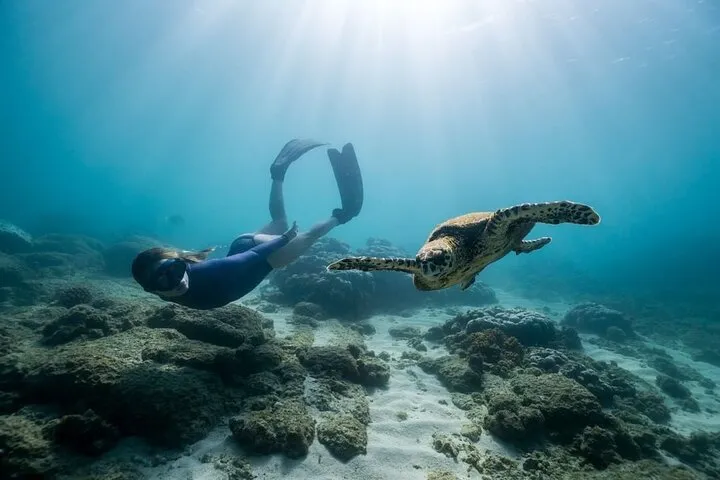
The headline snorkeling experience in Nusa Penida. Reef Manta Rays congregate here regularly to feed on the plankton-rich water. At their largest, these animals have wingspans exceeding 5 metres. Snorkeling alongside them in open water — with their effortless, silent movements — is genuinely one of the most memorable wildlife encounters available to travellers anywhere in Asia. Sightings are not guaranteed as these are wild animals, but they are observed on roughly 90% of early morning trips between May and October.
Gamat Bay
A sheltered bay with the most colourful and diverse coral in the area. Excellent for beginners due to the calm conditions. High density of reef fish, sea turtles (very reliable), and regular Manta Ray sightings. The bay is protected from ocean swells, making it the most consistent snorkeling site regardless of season.
Crystal Bay (Snorkeling)
The most accessible snorkeling spot from the beach. From October to January, Crystal Bay is the primary sighting location for the rare Mola Mola (Ocean Sunfish) — the world's heaviest bony fish, which can reach 3 metres in height. These bizarre, prehistoric-looking creatures come to shallow water to be cleaned by small reef fish. Mola Mola season (October–January) draws serious snorkelers and divers from around the world.
Swim with Manta Rays in Nusa Penida
Our premium snorkeling tour covers 3 sites — Manta Bay, Gamat Bay, and Crystal Bay — plus the West Coast land highlights in one full day.
View Snorkeling TourEntrance Fees & Cost Overview
Below is a summary of current entrance fees at the main attractions. All fees are per person in Indonesian Rupiah (IDR). Fees are subject to occasional revision by local authorities.
| Attraction | Entrance Fee (IDR) | Approx. USD |
|---|---|---|
| Kelingking Beach Viewpoint | Rp 10,000 | ~$0.60 |
| Broken Beach (Pasih Uug) | Rp 15,000 | ~$0.90 |
| Angel's Billabong | Rp 15,000 | ~$0.90 |
| Crystal Bay Beach | Rp 15,000 | ~$0.90 |
| Diamond Beach | Rp 25,000 | ~$1.50 |
| Atuh Beach | Rp 10,000 | ~$0.60 |
| Molenteng Tree House & Raja Lima Viewpoint | Rp 30,000 | ~$1.80 |
| Port Entry Tourist Levy | Rp 25,000 | ~$1.50 |
| Fast boat (one-way, Sanur) | Rp 150,000–200,000 | ~$9–$13 |
Entrance fees are paid in cash directly at each attraction and are not included in our tour package prices.
Safety Tips
Nusa Penida is safe for tourists but requires genuine awareness of its natural hazards. Please take these points seriously.
Ocean Rogue Waves
This is the most serious risk on the island. The cliffs at Angel's Billabong, Broken Beach, Kelingking, and the south coast face the open Indian Ocean. Rogue waves — sudden, unexpectedly large waves — have swept multiple tourists and even local guides off the rocks. Always stay at least 3–4 metres back from any ocean-facing cliff edge or rock platform. Never sit or stand on rocks at the water's edge, no matter how calm the sea appears. Follow your guide's instructions immediately.
Cliff Descents
The staircases to Kelingking Beach and Diamond Beach are very steep, with limited handrails in places. Wear proper footwear (not sandals or flip flops). Descend slowly and avoid these hikes in wet conditions. Turn back if you feel fatigued on the way down — the return climb is harder.
Road Safety
Nusa Penida's roads are significantly better than they were even 3 years ago, but still feature sharp hairpin bends, steep gradients, and occasional potholes. If renting a scooter, ride at greatly reduced speeds compared to your normal pace. Wear a helmet at all times. A private driver eliminates this risk entirely.
Sun and Hydration
The island sits directly below the equatorial sun with little shade at most viewpoints. Bring a minimum of 1.5 litres of water per person for a full day, wear a hat, and apply high-SPF reef-safe sunscreen liberally before leaving your accommodation.
What to Pack for Nusa Penida
- Closed-toe shoes with grip — essential for cliff descents and wet rocky paths
- Swimwear — for Crystal Bay, Atuh Beach, and the snorkeling tour
- Dry bag or waterproof pouch — for phone and valuables during the boat crossing
- Reef-safe mineral sunscreen — chemical sunscreens damage coral and are environmentally banned
- Hat and sunglasses — shade is scarce at most viewpoints
- At least 1.5L water per person — some remote sites have no vendors
- Sufficient IDR cash — withdraw at a Bali ATM before departure
- Motion sickness tablets — take 30+ minutes before boarding if prone to seasickness
- Light windproof layer — for the fast boat crossing (it can be cold and wet at speed)
- Fully charged power bank — power outlets are scarce outside accommodation
Sample Itineraries
1-Day Trip from Bali (Choose One Coast)
- 06:30 — Depart Sanur on earliest boat (book in advance)
- 08:00 — Arrive Nusa Penida, meet your driver
- 08:30 — Angel's Billabong (before crowds)
- 09:15 — Broken Beach
- 10:00 — Kelingking Beach (arrive before 10:30 for manageable crowds)
- 12:00 — Local lunch at warung near Crystal Bay
- 13:00 — Crystal Bay swim and relaxation
- 15:30 — Return to port
- 16:00 — Fast boat back to Sanur
2-Day Trip (Both Coasts)
- Day 1 (West Coast): Angel's Billabong, Broken Beach, Kelingking viewpoint, Crystal Bay
- Day 2 (East Coast): Atuh Beach, Thousand Islands Viewpoint, Molenteng Tree House, Diamond Beach
- Stay overnight near Toyapakeh or Crystal Bay area
- Return to Bali on Day 2 afternoon
3-Day Trip (Full Experience)
- Day 1 (West Coast): Angel's Billabong, Broken Beach, Kelingking, Crystal Bay
- Day 2 (Snorkeling): Full snorkeling tour — Manta Bay, Gamat Bay, Crystal Bay underwater, then relax
- Day 3 (East Coast): Diamond Beach, Atuh Beach, Tree House, Raja Lima Viewpoint. Depart afternoon boat
Let Us Handle All the Logistics
Fast boat transfers, private transport, and a local expert guide — all included. Contact us via WhatsApp and we'll build a seamless itinerary around your dates.
Plan My Nusa Penida TripFrequently Asked Questions
Take a fast boat from Sanur Harbour (most common, 30–45 min), Kusamba (20–30 min), or Padang Bai. Boats depart roughly every 30–60 minutes from 06:30 to 17:00. One-way tickets cost Rp 150,000–200,000 ($9–$13 USD). Return tickets save about 20%. All Bali Real Vacation Nusa Penida packages include return fast boat transfers.
A minimum of 2 days is ideal: one for the West Coast and one for the East Coast. Add a third day for snorkeling with Manta Rays. Day trips from Bali are possible but tiring and rushed — you cannot cover both coasts in a single day comfortably.
The dry season from May to October is best — calm seas, clear skies, and optimal snorkeling visibility. Manta Ray sightings are most reliable between May and October. April and November are excellent shoulder months. The wet season (November–March) is quieter and greener but brings rougher crossings and reduced snorkeling visibility.
A private driver (Rp 400,000–600,000/car/day) is the safest and most comfortable option for first-time visitors given the island's steep, narrow roads. Scooter rental (Rp 75,000–100,000/day) is available for experienced riders. There is no public transport. All Bali Real Vacation tours include a dedicated local driver and guide.
Individual fees: Kelingking Rp 10,000 · Broken Beach Rp 15,000 · Angel's Billabong Rp 15,000 · Crystal Bay Rp 15,000 · Diamond Beach Rp 25,000 · Atuh Beach Rp 10,000 · Tree House/Raja Lima Rp 30,000 · Port levy Rp 25,000.
Yes, with awareness. The primary risks are rogue ocean waves at cliff-edge sites (never stand close to the ocean-facing edge), steep cliff descents at beaches, and challenging roads for scooter riders. Follow your guide's safety instructions at all times, especially near the ocean.
Yes, Indonesian Rupiah cash is essential. Most warungs and entrance booths are cash-only. ATMs exist in Sampalan town but can be unreliable at weekends. Always withdraw sufficient IDR from a Bali ATM before boarding the fast boat.
Yes, a day trip is possible and is what most Bali Real Vacation guests choose. It limits you to either the West Coast or East Coast (not both) but gives you a genuinely excellent experience of the island. For those with more time, staying 2–3 nights on the island is even more rewarding.